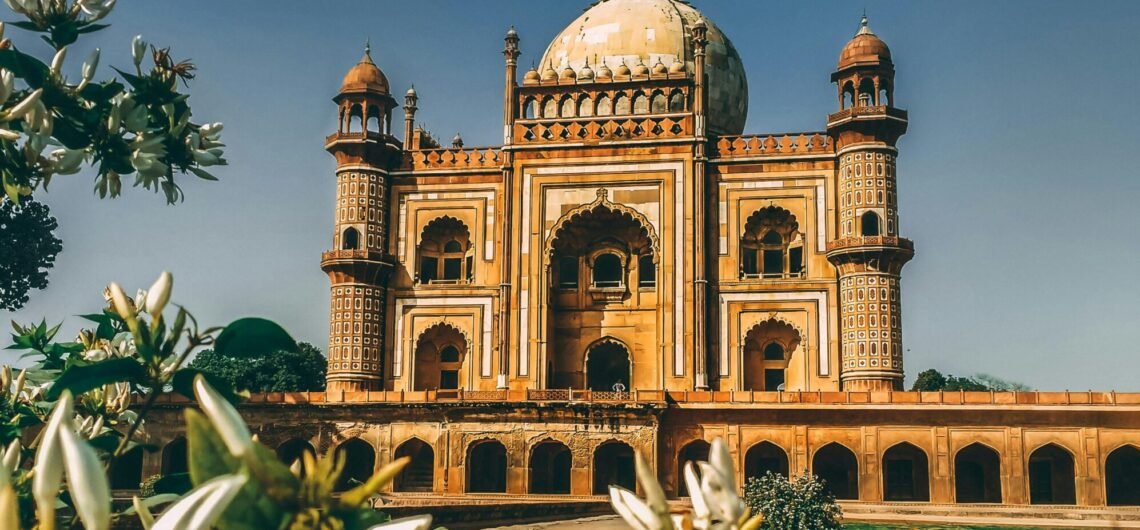
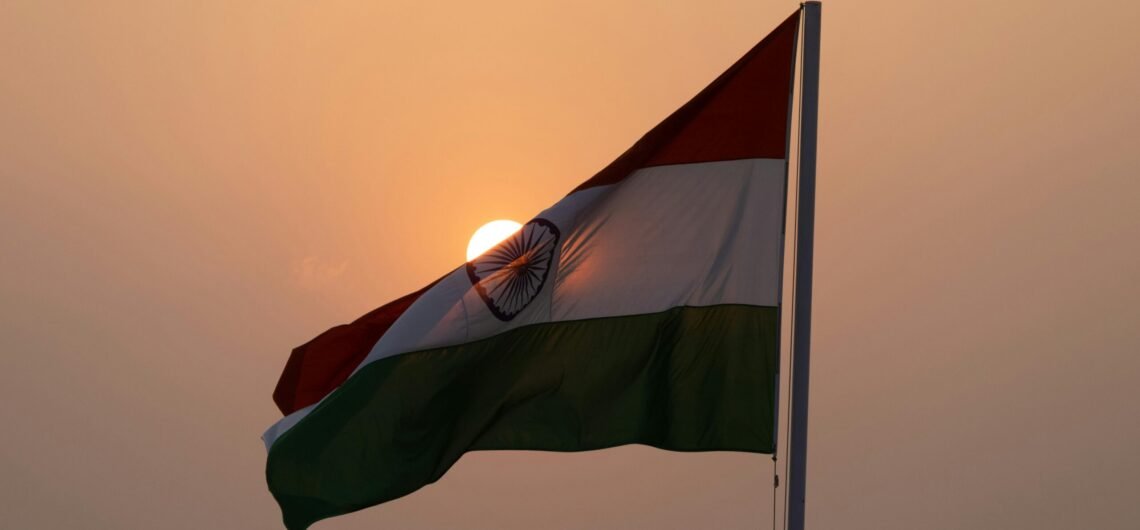
India – a country that, for many, exists in their imagination as a land of vibrant colors, spiritual depth, and endless diversity. But what makes India truly unique is the profound influence of its culture on the way of life for its people. From the way we greet each other, to the food we eat, to the festivals we celebrate, culture is not just something that India has – it’s something India lives.

In every corner of this vast country, culture isn’t just a concept or a tradition; it’s woven into the fabric of everyday life, influencing relationships, work, values, and even the very rhythm of the day. Let’s explore how the spirit of India shapes its people and their daily experiences.

1. The Importance of Family and Community

In India, the concept of family extends beyond blood relations. It’s about community, extended networks, and a deep sense of belonging. Even in bustling cities, the ties that bind people together are grounded in cultural values of respect, hospitality, and mutual care.

It’s common to see multiple generations living together under one roof, from grandparents to grandchildren, sharing their wisdom, stories, and everyday chores. The elders in the family hold great respect and often make important decisions, but there’s also a constant exchange of support, laughter, and love that defines the Indian household.

Even beyond the family, the sense of community is powerful. Whether in the form of local traditions, neighborhood gatherings, or shared festivals, community ties shape the way people interact, collaborate, and show care for one another. This spirit of togetherness is deeply rooted in cultural practices, whether it’s celebrating Diwali with neighbors or helping a stranger in need.

2. Rituals, Traditions, and Spirituality: Finding Meaning in the Everyday

India’s culture thrives on rituals and traditions, many of which are intertwined with spirituality, even in the most mundane aspects of daily life. A typical day might begin with a morning prayer or an offering to the gods, setting the tone for the day with peace, gratitude, and mindfulness. For millions, these rituals aren’t just religious obligations – they are ways to feel connected to something larger, to nature, and to the community around them.

These practices go beyond religion. Whether it’s the way we greet someone with a respectful namaste, or the belief in karma that encourages people to act with kindness, respect, and honesty, these values shape social interactions on a daily basis. A simple act of offering food to someone, helping a neighbor, or respecting elders is rooted in cultural beliefs that go far beyond simple social etiquette.

Indian festivals also play a significant role in enriching daily life. For example, Diwali, the festival of lights, might mean cleaning and decorating the house, wearing new clothes, and lighting oil lamps – but it’s not just about the festivities. It’s a time for personal renewal, for forgiving past mistakes, and for setting new intentions. This cultural perspective on time, seasons, and life cycles creates a deeper connection with the world around us.

3. Food as a Cultural Expression

Food is far more than just sustenance in India. It’s a form of culture, identity, and love – often a way to bond with others and express hospitality. From a simple bowl of dal (lentils) to the elaborate dishes served during festivals like Onam Sadya, food embodies the flavors of the land and the cultural values passed down through generations.

In many homes, cooking isn’t just about preparing a meal – it’s an act of devotion. Each dish tells a story, whether it’s the spices of North India, the rice-based dishes of the South, or the street foods of cities like Delhi and Mumbai. The preparation of food is ritualistic – with its own rhythms, gestures, and family secrets.

The significance of food extends to how it is shared. In Indian culture, offering food to others is considered a blessing, and the concept of Atithi Devo Bhava – “The guest is God” – is often practiced, where every guest, regardless of background or status, is treated with utmost respect and hospitality.

4. Festivals: Celebrating Life and Connections

Festivals are the heartbeat of Indian culture, celebrated with unmatched enthusiasm, creativity, and love. What makes Indian festivals so special is how they transcend religious boundaries and become a celebration of life itself. Every region of India has its own unique festivals, yet there is a common thread that binds them all: the idea of coming together.

For instance, Holi, the festival of colors, is a time when people, regardless of age or background, come together to celebrate spring, love, and friendship. It’s a time for letting go of old grudges, forgiving, and embracing joy. Similarly, Diwali is not just about lighting lamps or bursting crackers – it’s about celebrating the triumph of light over darkness, good over evil, and the renewal of relationships. Even smaller, more regional festivals like Pongal or Navratri are deeply tied to agriculture, nature, and community bonding.

Festivals in India offer more than just a chance for fun – they are spiritual moments that draw people closer to each other, to their roots, and to a larger sense of belonging.

5. Clothing: A Reflection of Heritage and Identity

In India, clothing is far from being just a practical need; it’s a powerful expression of culture, identity, and values. Whether it’s the saree in the South or the kurta-pajama in the North, the clothes we wear reflect regional customs, historical influences, and even personal beliefs.

On a cultural level, clothing also carries deep symbolism. The saree, for example, is often seen as a symbol of tradition, elegance, and femininity. During festivals or weddings, clothing becomes an extension of the celebration, with intricate designs, vibrant colors, and careful attention to detail.

But beyond festivals and ceremonies, everyday clothing also tells a story about heritage, and in more recent years, a growing fusion of tradition and modernity has shaped fashion trends across the country. This evolving style showcases the resilience of Indian culture to adapt while retaining its deep roots.

6. Language and Expression: The Art of Communication

India is home to more than 120 languages and hundreds of dialects, and the way people speak reflects the richness and diversity of the culture. The greeting might change from Namaste in the North to Vanakkam in the South, but the spirit of warmth, respect, and openness remains the same.

Language in India is not just about communication; it’s about conveying respect, understanding, and relationships. Whether it’s the way we speak to elders with reverence, or the cheerful banter shared among friends in bustling markets, language is deeply ingrained in everyday life, with each word carrying a history, a tradition, and a connection to the past.
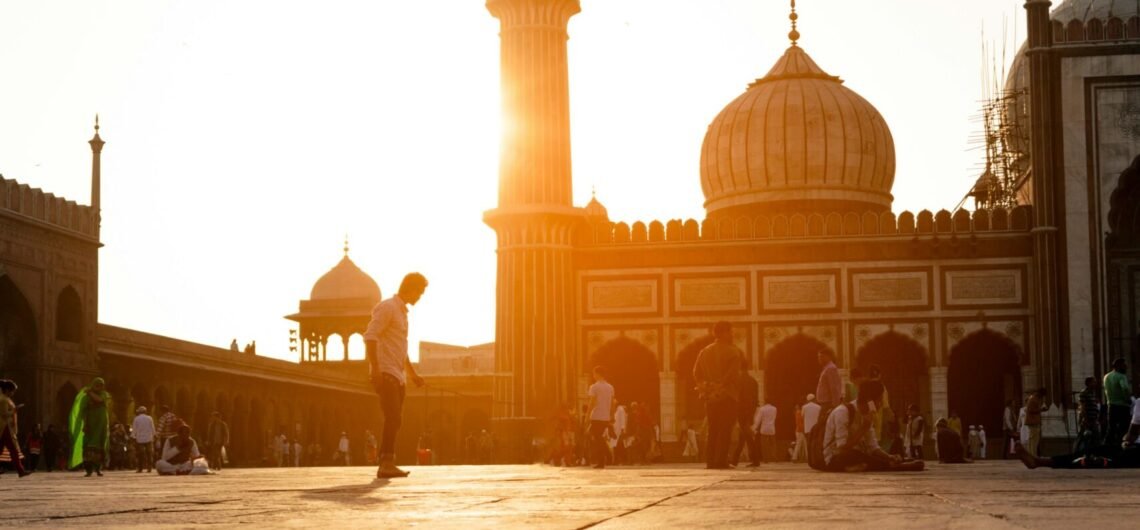
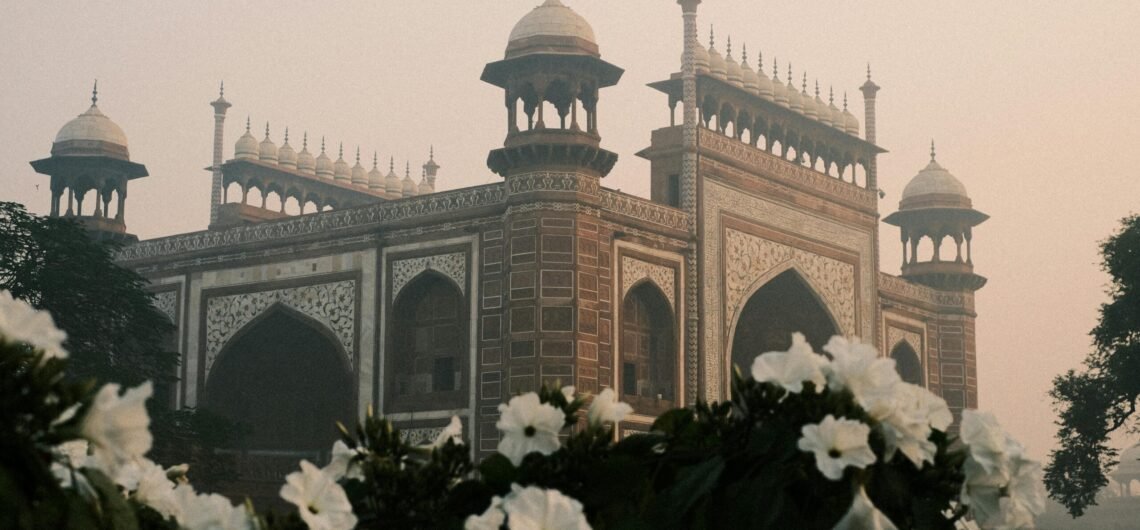
Delhi – India’s capital, a city where ancient history blends effortlessly with modern life. It’s a place where every corner tells a story, from Mughal emperors to colonial architecture, bustling markets to quiet lanes steeped in tradition. As the heart of India, Delhi offers a unique opportunity to step back in time while being right in the middle of a thriving metropolis. Whether you’re here for a few days or a few weeks, Delhi’s rich heritage will captivate you at every turn.

1. Old Delhi: A Walk Through History

Start your journey in Old Delhi, the heart of the Mughal empire. The narrow lanes, bustling bazaars, and ancient monuments transport you to a different era. A visit to the Red Fort is a must – this UNESCO World Heritage Site is a stunning example of Mughal architecture. The red sandstone walls, intricate carvings, and grand courtyards tell stories of the emperors who once lived here. Don’t miss the Lahori Gate and the Diwan-i-Aam, where the emperor addressed his subjects.

Wandering through the Chandni Chowk market is like walking through a living museum. Here, you can sample delicious street food, shop for traditional Indian clothing, and see old havelis (mansions) that have stood the test of time. A rickshaw ride through the market is a thrilling experience, as the sounds of hawkers, the aroma of spices, and the colors of the stalls blend together into a sensory overload.

2. Humayun’s Tomb: The Mughal Legacy

Not far from Old Delhi, in the heart of New Delhi, stands Humayun’s Tomb – a testament to the grandeur of Mughal architecture. Built in the 16th century, this tomb is the final resting place of Emperor Humayun and is considered a precursor to the Taj Mahal. The beautiful gardens surrounding the tomb, along with its intricate marble and red sandstone design, make it a peaceful escape from the busy city streets.

The tomb also offers a glimpse into the remarkable Mughal architectural style, which blended Persian and Indian influences. As you stroll through the garden, take a moment to reflect on the history that shaped Delhi’s heritage.

3. Qutub Minar: The Tower of Delhi’s Past

Standing tall in the southern part of the city is the Qutub Minar, another UNESCO World Heritage Site. This towering minaret, made of red sandstone, is one of Delhi’s most iconic landmarks. Built in the 12th century by Qutb-ud-Din Aibak, it’s not only an architectural marvel but also a symbol of India’s diverse history. The intricate carvings and inscriptions on the tower provide insight into the era when Delhi was ruled by the Delhi Sultanate.

As you stand beneath the Qutub Minar, gazing up at its height and intricacy, you can almost feel the echoes of centuries past. The surrounding ruins of the Qutub Complex add to the sense of mystery and beauty, with ancient mosques and tombs scattered around the site.

4. India Gate: A Tribute to Sacrifice

The India Gate, a massive war memorial dedicated to the soldiers who died during World War I, stands as a symbol of the country’s strength and unity. Though relatively modern (built in 1931), its significance in India’s history makes it an essential stop on your heritage journey.

As you walk through the Rajpath and approach the gate, you’ll notice its grandeur and solemnity. The flame of the Amar Jawan Jyoti, which burns in honor of India’s soldiers, adds a deeply emotional element to the site. In the evening, the surrounding lawns are filled with families and visitors, making it a perfect place to relax and reflect on the sacrifices that have shaped modern India.

5. Akshardham Temple: A Blend of Tradition and Technology

Though relatively new, the Akshardham Temple is an extraordinary blend of ancient traditions and cutting-edge technology. The temple’s intricate carvings, large central dome, and peaceful surroundings offer a window into India’s spiritual heritage. The Yagnapurush Kund, the world’s largest stepwell, is another beautiful feature.

But what sets Akshardham apart is its use of modern technology to showcase India’s rich cultural history. The temple complex features interactive exhibitions and light and sound shows that narrate stories from India’s ancient texts and history, bringing the past to life in a way that appeals to people of all ages.

6. The Spiritual Heart: Temples and Mosques

Delhi is a melting pot of religions, and its spiritual heritage is evident in the numerous temples, mosques, and gurudwaras scattered throughout the city. Visit the Lotus Temple, an architectural marvel shaped like a lotus flower, or the Jama Masjid, one of the largest mosques in India, where the peaceful atmosphere contrasts with the city’s hustle and bustle.

The Bangla Sahib Gurudwara offers a peaceful retreat, where you can listen to hymns, taste langar (community food), and experience the values of service and equality. These sites, along with the many other temples and places of worship in Delhi, remind us of the country’s diverse spiritual heritage.

7. Delhi’s Rich Cuisine: A Heritage of Its Own

No exploration of Delhi’s heritage would be complete without mentioning its food. Delhi’s cuisine is as rich and varied as its history, shaped by Mughal, Punjabi, and other regional influences. From the paranthas of Chandni Chowk to the kebabs and biryani served at Karim’s, every meal is a journey through time. Street food like chaat and samosas are a must-try, offering a taste of the city’s lively atmosphere and diverse flavors.

The Heartbeat of India

Delhi is the heart of India, not just because it is the capital, but because it carries the essence of India’s diverse, colorful, and complex heritage. From the Mughal glory of the Red Fort to the modern marvels like Akshardham, Delhi offers a fascinating blend of the old and the new. Whether you’re wandering through its ancient streets, visiting its iconic monuments, or savoring its rich cuisine, Delhi invites you to connect with its past and embrace its ever-evolving present.

Agra – a name that instantly evokes the image of the iconic Taj Mahal, one of the Seven Wonders of the World. But Agra is so much more than its famous monument. It’s a city where history comes alive, where ancient Mughal architecture meets vibrant street life, and where each corner tells a story. Whether you’re a first-time visitor or someone who’s already seen the Taj, Agra offers experiences that go beyond the usual tourist spots.

1. The Taj Mahal: A Love Story in Marble

Let’s start with the masterpiece that draws millions every year – the Taj Mahal. This stunning white marble mausoleum, built by Emperor Shah Jahan in memory of his beloved wife Mumtaz Mahal, is a symbol of eternal love and architectural brilliance. But beyond the awe-inspiring beauty of its design and symmetry, the Taj is an emotional experience. Early mornings, when the first rays of sunlight hit the marble, creating a shimmering effect, or a visit at sunset, when the monument changes color, are moments you’ll cherish forever.

But don’t rush your visit. Take time to soak in the peaceful surroundings of the Taj Gardens and enjoy the view from the Mehtab Bagh across the Yamuna River – a perfect spot for capturing the Taj in its full glory.

2. Agra Fort: Mughal Majesty at Its Finest

Just a short distance from the Taj Mahal lies the imposing Agra Fort, a UNESCO World Heritage Site that offers a glimpse into the power and grandeur of the Mughal Empire. Built by Emperor Akbar in the 16th century, the fort is an architectural marvel, with massive red sandstone walls, intricate carvings, and stunning views of the Taj from its Musamman Burj (a beautiful octagonal tower).

Explore the fort’s inner chambers, including the Jahangir Mahal, Diwan-i-Khas, and the Sheesh Mahal (Mirror Palace). Each room tells a story of royal life, intrigue, and battles. And don’t forget to take a moment to appreciate the Taj Mahal from the fort – it’s a view that captures the essence of India’s rich Mughal history.

3. Itimad-ud-Daula: The ‘Baby Taj’

Known as the Baby Taj, the tomb of Itimad-ud-Daula is often overshadowed by its more famous neighbor, the Taj Mahal, but it is just as stunning. Built by Nur Jahan, the wife of Emperor Jahangir, in memory of her father, this white marble mausoleum is intricately adorned with beautiful floral inlays and detailed artwork.

This tomb is a perfect example of the transition from early Mughal architecture to the grandeur of the Taj. Its serene atmosphere and the lovely gardens surrounding it make it a peaceful escape from the busy streets of Agra.

4. The Streets of Agra: A Feast for the Senses

While the monuments of Agra are undeniably magnificent, the true spirit of the city can be felt in its streets. As you stroll through the bustling bazaars, you’ll be drawn into the lively mix of colors, sounds, and smells that make Agra so special. The narrow lanes of Kinari Bazaar and Sadar Bazaar are perfect for picking up souvenirs – from intricate marble inlay work to colorful textiles and traditional handicrafts. Don’t forget to haggle a little; it’s part of the fun!

The street food in Agra is another highlight. Treat yourself to local delicacies like petha (a sweet made from ash gourd), dal moth, and chaat. Make sure to try a refreshing glass of lassi from one of the local shops – it’s a perfect way to cool off from the heat.

5. Mehtab Bagh: The Perfect Sunset Spot

One of the best places to enjoy a panoramic view of the Taj Mahal is from Mehtab Bagh, a tranquil garden on the opposite bank of the Yamuna River. It offers a peaceful escape from the crowds and is a great spot to relax as the sun sets behind the Taj, casting long shadows and golden light over the monument. It’s a photographer’s dream – the reflection of the Taj in the river adds an ethereal quality to your photos.

6. Fatehpur Sikri: A Day Trip from Agra

If you have time for a short day trip, make sure to visit Fatehpur Sikri, located just an hour away from Agra. This UNESCO World Heritage Site was once the capital of the Mughal Empire under Emperor Akbar. The city is a stunning blend of Persian, Indian, and Mughal architectural styles. Don’t miss the Buland Darwaza, one of the largest gates in the world, and the Jama Masjid, a striking mosque that showcases the grandeur of Mughal architecture.

7. Agra’s Hidden Treasures

While the main tourist sites in Agra are well-known, there are a few hidden gems worth exploring. Visit the Shah Burj, a lesser-known tomb near Agra Fort, or wander through the Chini Ka Rauza, a tomb covered in beautiful blue tiles, to get a feel for the lesser-seen side of Agra’s Mughal legacy. For those interested in the Mughal gardens, the Ram Bagh is a quiet oasis perfect for a stroll away from the crowds.

Wrap Up Your Journey with Agra’s Soul

Agra is a city that beckons you to slow down and immerse yourself in its history, culture, and vibrant energy. From the world-famous Taj Mahal to the lesser-known jewels tucked away in the streets, Agra is a place where past and present collide in the most beautiful way.

As you wander through this fascinating city, you’ll find that the spirit of Agra isn’t just in its monuments – it’s in the people, the stories, and the soul of the place.

Ready to explore Agra? Let Kranbs Tour help you experience all that this incredible city has to offer. From guided tours to customized itineraries, we ensure you see Agra beyond the ordinary. Reach out to us at kranbstour@gmail.com to start planning your adventure today!

India. A land of contrasts, colors, and celebrations. From the ancient temples that tell stories of civilizations long past, to the bustling markets that pulse with life, India offers a spirit that is unlike anywhere else in the world. If you’ve ever dreamed of traveling to a place where culture, nature, and adventure come together in the most magical ways, India is the destination you’ve been seeking.

1. Embrace the Culture: A Journey Through Time

India’s culture is as diverse as its landscapes. With over 2,000 years of recorded history, the country’s past is woven into the very fabric of its daily life. Whether you’re visiting the architectural marvels of Rajasthan, soaking in the spirituality of Varanasi, or admiring the intricate carvings of Khajuraho, the cultural journey in India is one that will leave you awestruck.

At the heart of India’s cultural experience lies its festivals. From the vibrant, color-filled madness of Holi, where streets are painted in hues of pink, blue, and yellow, to the solemn serenity of Diwali, where the entire country lights up with thousands of candles and lanterns, every celebration is a testament to the country’s rich traditions.

But it’s not just about the grand spectacles. The true spirit of Indian culture can also be found in the small, everyday moments – the chai stalls on every street corner, the art of bargaining in the local bazaars, or the warmth and hospitality of the people. India teaches you to embrace the present, to be mindful, and to see beauty in the simple things. Every interaction, whether with a rickshaw driver in Delhi or a monk in the hills of Dharamsala, offers a chance to understand more about the profound layers of India’s culture.

2. Nature’s Bounty: From the Majestic Himalayas to the Sun-Kissed Beaches

India’s natural beauty is nothing short of awe-inspiring. From the snow-capped peaks of the Himalayas to the serene backwaters of Kerala, the country offers a stunning array of landscapes that will make you feel like you’ve stepped into another world.

For the nature lover, the possibilities are endless. Imagine trekking to Himalayan villages, where the air is crisp, and the views are nothing short of breathtaking. Picture yourself hiking through the lush forests of Karnataka or spotting tigers in the wild at Ranthambore National Park. Whether you’re kayaking in the calm waters of Kumarakom, or soaking up the sun on the pristine beaches of Goa, India’s diverse ecosystems ensure that nature lovers are never at a loss for adventure.

Beyond its famous landmarks, India is home to an incredible variety of flora and fauna. The country boasts some of the most stunning wildlife sanctuaries in the world, like Kaziranga National Park in Assam, known for its one-horned rhinos, or Jim Corbett National Park in Uttarakhand, a paradise for wildlife enthusiasts. India’s commitment to conserving its natural treasures makes it a place where nature is not only respected but cherished.

3. Adventure Awaits: The Ultimate Playground for Thrill Seekers

For many, India is not just a cultural or natural destination – it’s an adventure playground. Whether you’re scaling the heights of the Leh-Ladakh mountains, exploring the winding back alleys of Mumbai, or diving in the crystal-clear waters of Andaman Islands, India provides adrenaline-fueled experiences like no other.

The country’s vast and varied landscape offers endless opportunities for adventure. Trekking is perhaps one of the most popular activities, with treks ranging from gentle walks through Kerala’s tea plantations to challenging ascents like the Stok Kangri in Ladakh. If you prefer water sports, the beaches of Goa and Andaman offer everything from scuba diving to jet-skiing. And if you’re into the thrill of the road, Leh-Manali Highway will test your limits as you drive through high-altitude deserts, across rivers, and past monasteries perched on cliff edges.

And then there’s wildlife safaris – an adventure that gets your heart racing and your spirit soaring. Get up close with majestic tigers, elephants, and leopards as you embark on a wildlife safari through India’s extensive national parks. The beauty of India’s wildlife is not just about the animals – it’s also about the opportunity to experience nature in its purest form.

4. The Indian Spirit: Where Everything Comes Together

India’s true essence is not just in its culture, nature, or adventure. It’s in the way all three intertwine. The vibrant festivals and the calming landscapes blend seamlessly, just like the joy of a colorful street market juxtaposed with the serenity of a temple.

The spirit of India is about embracing the contradictions. It’s about discovering peace amid chaos, finding solitude in crowded places, and appreciating the beauty in the simplest of things. It’s about understanding that the most profound experiences aren’t always the ones that are planned, but often the ones that surprise you along the way.

When you step into India, you’re not just visiting a country. You’re stepping into an experience that is deeply rooted in its culture, nurtured by its natural landscapes, and defined by the adventure that awaits around every corner.

India has a way of changing you – of making you more curious, more open-minded, and more alive. Whether you’re a culture enthusiast, a nature lover, or an adventure seeker, India offers a journey that will transform you and leave you with memories that last a lifetime.

Ready to Embrace the Spirit of India?

At Kranbs Tour Company, we believe that the best way to experience India is through personalized, immersive travel experiences. Our team of expert guides and local partners is dedicated to helping you discover India’s rich culture, stunning nature, and thrilling adventures in a way that is unique to your journey. Let us help you plan the perfect trip that celebrates the spirit of India – where every moment is a discovery.

Reach out to us at kranbstour@gmail.com to start your adventure today!