
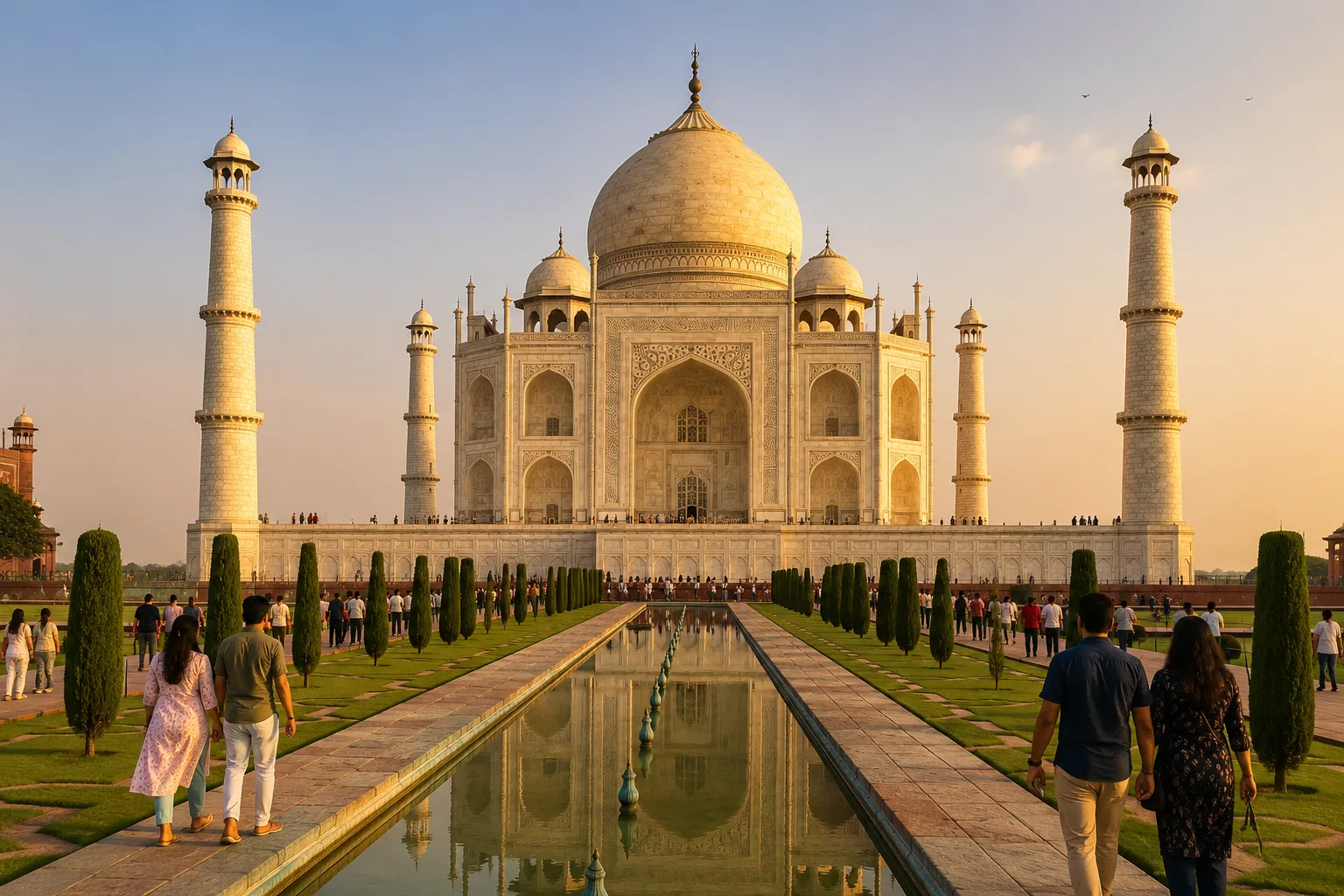
Best Time to Visit the Taj Mahal – Complete Travel Guide
The Taj Mahal, one of the Seven Wonders of the World and a UNESCO World Heritage Site, is the most visited attraction in India. Every year, millions of travelers visit Agra to admire its breathtaking white marble architecture, fascinating Mughal history, and romantic beauty. Choosing the best time to visit the Taj Mahal can make your trip more comfortable and help you enjoy fewer crowds, better weather, and stunning photography opportunities.
If you're planning a Taj Mahal Tour, this guide covers the best season, ideal visiting hours, weather conditions, travel tips, ticket information, and nearby attractions.
When is the Best Time to Visit the Taj Mahal?
The ideal time to visit the Taj Mahal is between October and March. During these months, Agra experiences pleasant weather, making sightseeing comfortable for families, couples, and solo travelers.
- Comfortable temperatures (10°C–28°C)
- Clear skies for photography
- Perfect weather for walking tours
- Best season for Golden Triangle Tours
Best Time of Day to Visit
Sunrise
Sunrise is considered the best time to visit the Taj Mahal. The early morning sunlight creates beautiful reflections on the white marble while crowds remain relatively small. Professional photographers and travel enthusiasts prefer sunrise for capturing unforgettable images.
Arrive at least 30–45 minutes before opening time to complete security checks and enter among the first visitors.
Morning
The hours between 8:00 AM and 11:00 AM are also excellent for sightseeing. The weather remains pleasant during winter, and you'll have enough time to explore the monument, gardens, and surrounding attractions.
Sunset
Late afternoon offers warm golden light that enhances the beauty of the Taj Mahal. Although sunrise remains the most popular choice, sunset is perfect for visitors who prefer a relaxed schedule.
Seasonal Travel Guide
Winter (October – March)
Winter is the peak tourist season in Agra because of its cool temperatures and comfortable sightseeing conditions. It is the perfect time for Taj Mahal photography, family vacations, and luxury Golden Triangle Tours.
Summer (April – June)
Summer temperatures can exceed 40°C, making early morning visits highly recommended. Fewer tourists visit during these months, allowing a quieter experience.
Monsoon (July – September)
Monsoon transforms Agra into a greener destination with dramatic cloudy skies. Although occasional rain showers occur, this season offers unique photography opportunities and fewer crowds.
Taj Mahal Travel Tips
- Book your Taj Mahal tickets online in advance.
- Carry a valid government-issued photo ID.
- Wear comfortable walking shoes.
- Bring drinking water during summer.
- Hire a licensed local guide to learn about Mughal history.
- Visit Agra Fort and Mehtab Bagh on the same day.
Nearby Attractions in Agra
- Agra Fort
- Mehtab Bagh
- Itmad-ud-Daulah (Baby Taj)
- Fatehpur Sikri
- Local Marble Inlay Workshops
Book Your Taj Mahal Tour with Kranbstour
Kranbstour offers private Taj Mahal Tours, Sunrise Taj Mahal Tours, Same Day Agra Tours, and Golden Triangle Tour Packages with professional English-speaking guides and comfortable air-conditioned vehicles. We provide hotel pickup, flexible itineraries, transparent pricing, and 24/7 customer support to ensure a hassle-free travel experience.
Final Thoughts
The best time to visit the Taj Mahal is during the winter months from October to March, with sunrise offering the most spectacular views and the fewest crowds. Whether you're planning a romantic getaway, a family holiday, or a Golden Triangle Tour, visiting at the right time will make your experience even more memorable.
Plan your journey with Kranbstour and discover the timeless beauty of India's most iconic monument with trusted local experts.